
Scholar's Mate: how to deliver it step by step
Scholar’s Mate is one of the oldest traps in chess. In just 4 moves, the queen and bishop team up to attack Black’s weakest point: the f7 square, right next to the enemy king.
Why f7? Because at the start of the game only the king defends it. It’s Black’s Achilles’ heel in the opening.
If you don’t know this pattern, you can fall into it without realizing. And if you do know it, you can use it as a weapon or, even better, defend against it easily. Let’s look at both.
In this lesson I’ll teach you:
- How to deliver Scholar’s Mate step by step.
- How to defend when your opponent attempts it.
How to deliver Scholar’s Mate
You play White. The computer makes Black's mistakes. Goal: checkmate on f7 with the queen.
The plan is simple: bring the bishop out to c4 aiming at f7, then send the queen to h5 to attack that same point from another angle. If Black doesn’t react, the queen captures on f7 and it’s checkmate.
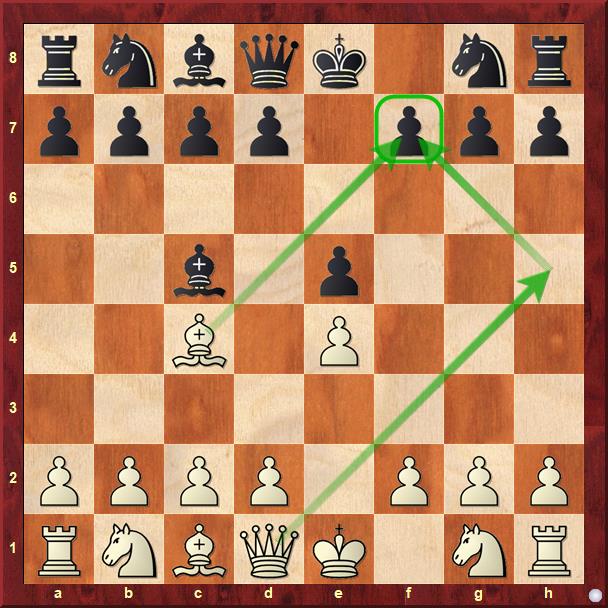
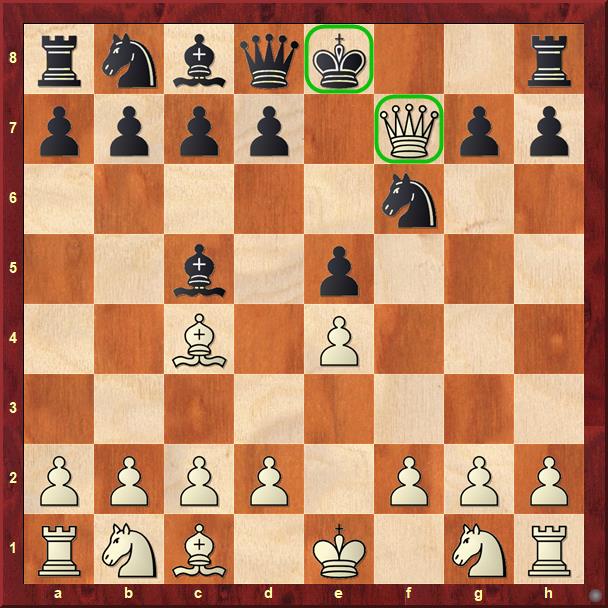
Notice the pattern: bishop on c4 + queen on h5 = double attack on f7. There’s no need to memorize the sequence move by move. Just recognize that idea and the rest follows naturally.
It’s an effective trap against opponents who don’t know it. Among chess’s quick mates, Scholar’s Mate is without a doubt the most popular one beginners run into. If you like this idea, also check out Fool’s Mate and its mirror version.
How to defend against Scholar’s Mate
Now for the important part: what do you do if your opponent tries this attack against you?
The good news is the defense is easy once you know the pattern. Just don’t let the queen and bishop act without a response.
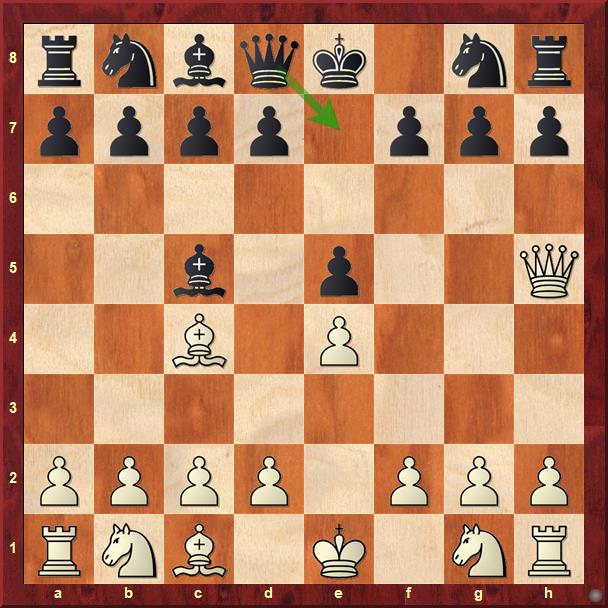
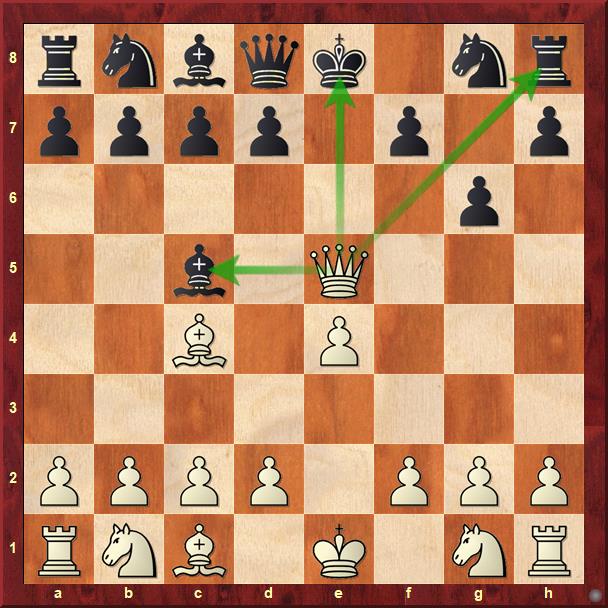
The most natural response when the queen arrives on h5 is to bring the knight out to f6. You attack the queen and force it to move. That gains you a tempo and develops a piece at the same time. Two goals in one move.
Careful: some responses look logical but don’t work. A clumsy attempt to kick the queen away with a pawn can create other weaknesses and give you more problems than it solves.
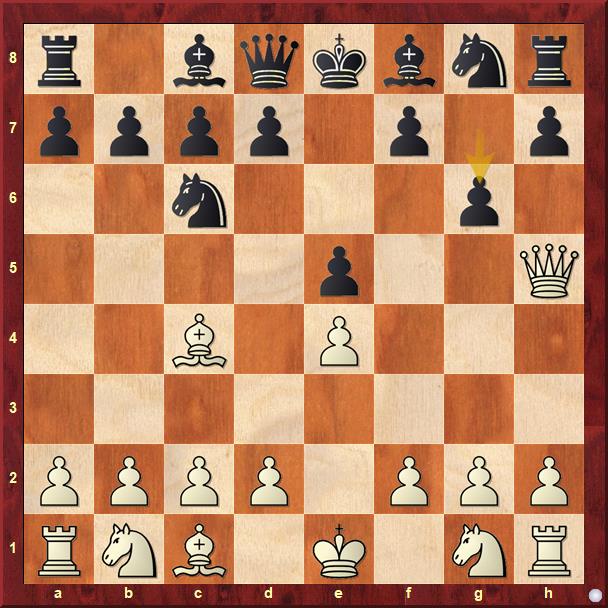
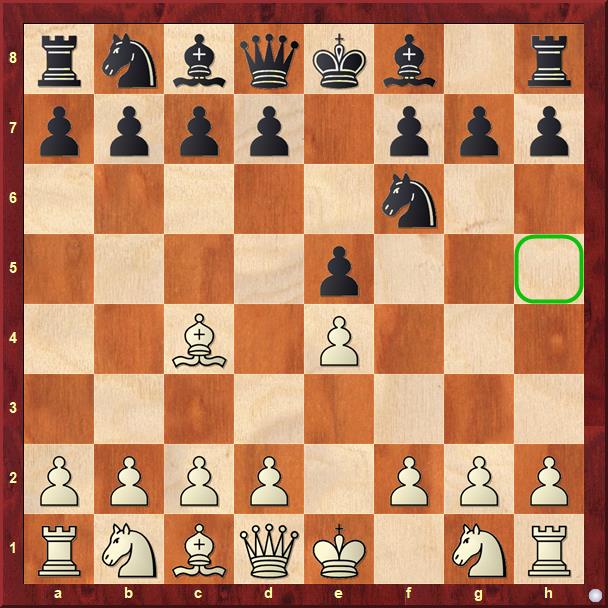
The key lesson is this: if you develop your pieces in an orderly way and don’t waste tempo, Scholar’s Mate doesn’t work. White will have brought the queen out too early and end up worse in the position.
More experienced players know this, which is why they rarely use Scholar’s Mate in serious games. It’s a trap, and traps only work against those who don’t know them. Now you do.
If you want to go deeper into the positions that arise afterward, explore related openings, especially the Italian Game, where the bishop on c4 plays a central role.
Preguntas frecuentes
What is Scholar's Mate?
Scholar's Mate is an opening trap where White tries to deliver mate in 4 moves using the queen on h5 and the bishop on c4 to attack the weak f7 point.
How do you defend against Scholar's Mate?
The simplest defense is Nf6, attacking the queen on h5. g6 to push the queen away, or Qe7 to defend f7 directly, also work.
In how many moves is Scholar's Mate delivered?
If Black doesn't defend correctly, mate can arrive on move 4 (Qxf7#). It's one of the fastest checkmates in chess.
Is it good to use Scholar's Mate?
It's useful for beginners, but experienced players recognize it and defend easily. In the long run, it's better to learn more solid openings.