
Queen's Gambit: complete guide with interactive board
What is the Queen’s Gambit?
The Queen’s Gambit is one of the great classic openings in chess, and you’ve probably heard of it even from the TV show. It starts with 1.d4 d5 2.c4: White offers the c4 pawn to fight for the center with more energy and gain activity.
But here’s a secret: it’s not a “real” gambit. Unlike an actual sacrifice, here White almost always recovers the pawn without trouble, or the pawn offer leaves them with plenty of compensation. So don’t be afraid to play it.
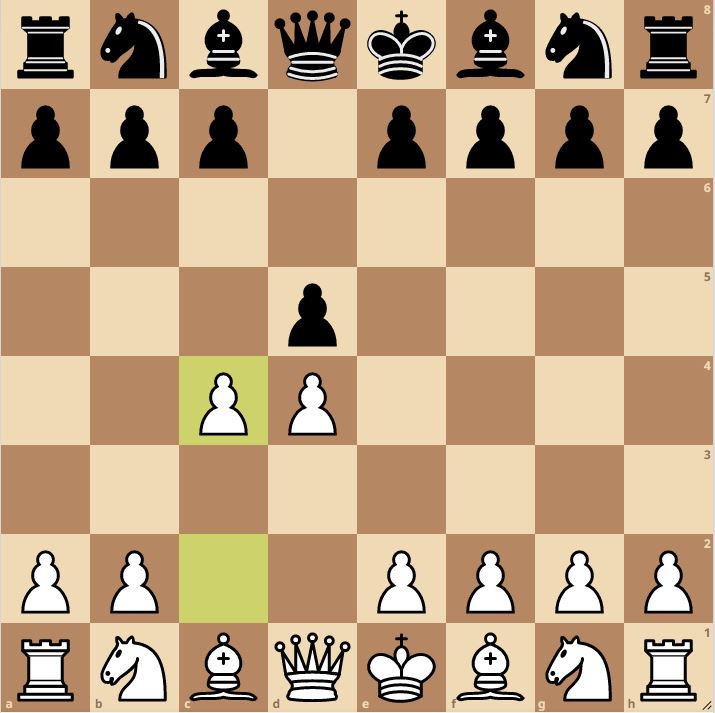
Play as White. Goal: reach the Queen's Gambit position with 1.d4 d5 2.c4 e6 3.Nc3 Nf6 4.Bg5.
Your idea with White is clear: undermine Black’s center and steer the game toward positions ruled by development and activity. And what can Black do? Basically three things: accept the pawn, decline while holding the center, or enter related structures like the Slav. Let’s look at them one by one.
Queen’s Gambit Accepted
What if Black keeps the pawn with 2…dxc4? It’s not a mistake. What they’re doing is conceding the center for a moment, forcing you to prove your compensation with development and space. Look at the position:
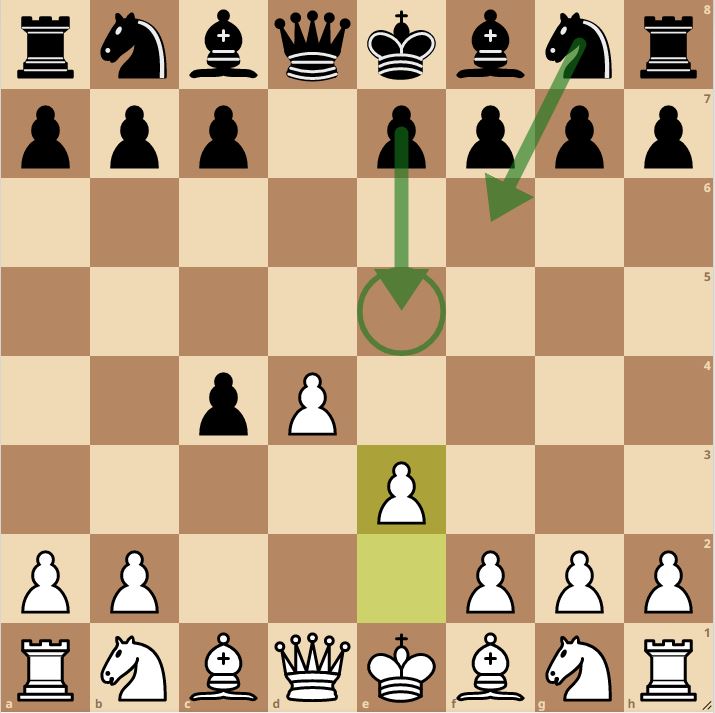
Black accepts the pawn. You play White: recover the pawn with e3 and develop the bishop to c4.
White’s plan to recover the pawn
Your plan is direct: recover the pawn without wasting time and come out of the opening with active pieces. What trap should you avoid? If Black insists on clinging to the material, they fall behind in development, and that’s where you gain the edge.
And if the opponent plays smart, they’ll simply complete their development in order and decide later how to balance the structure. In that case, you’ll have a comfortable, pleasant position to play.
Queen’s Gambit Declined
The most classic option is to decline the gambit with 2…e6. Here Black doesn’t keep the pawn: they prefer to build a compact position rich in positional ideas. It’s the line you’ll see in most top-level games.
Black declines with e6, keeping control of the center. You play White: develop pieces with Nc3, Bg5, and prepare to castle.
The ideas of the Declined
In this family of positions, everything revolves around two themes: maintaining central tension and finding the right moment to free your pieces without giving up the initiative. It sounds simple, but that’s where all the subtlety of this opening lies.
Slav Defense
What if Black holds the center with 2…c6 instead of e6? Then you enter the Slav Defense. It shares many ideas with the Queen’s Gambit, but changes the type of structure and the speed of development. It’s another way, equally solid, to stand up to 1.d4.
Traps within the Queen’s Gambit
The Elephant Trap
“The Elephant Trap” begins with 1.d4 d5 2.c4, the Queen’s Gambit line followed by e6 from Black.
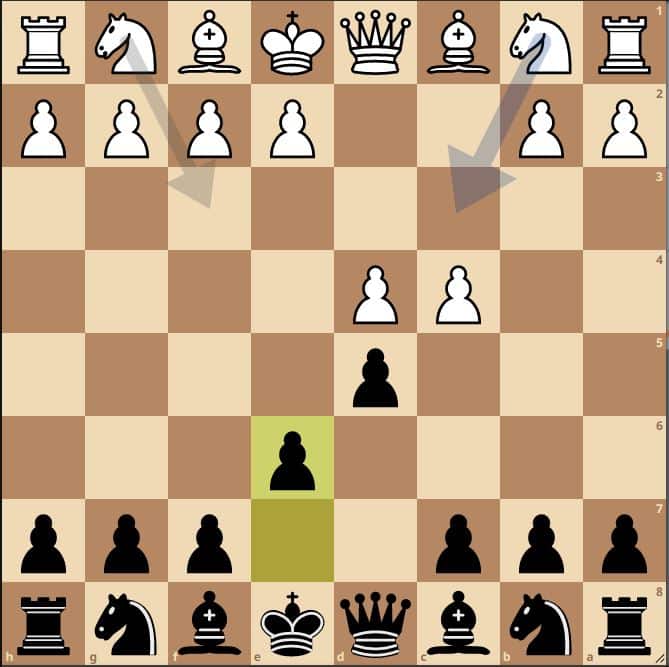
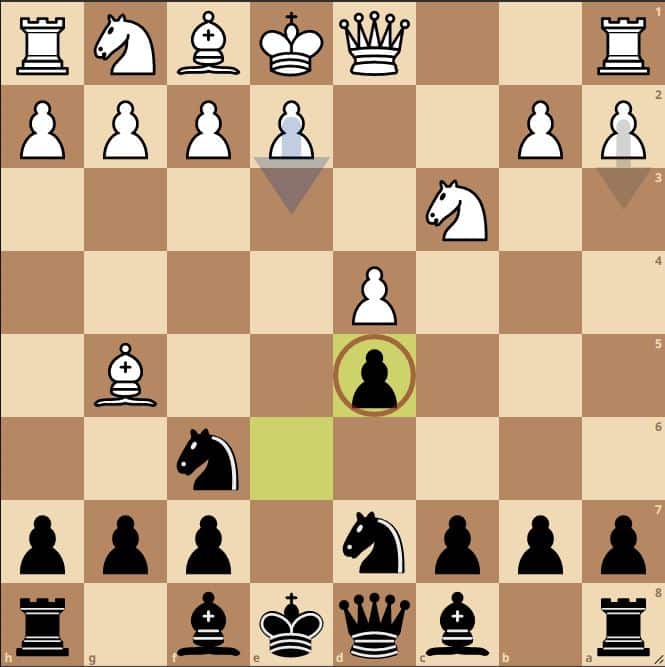
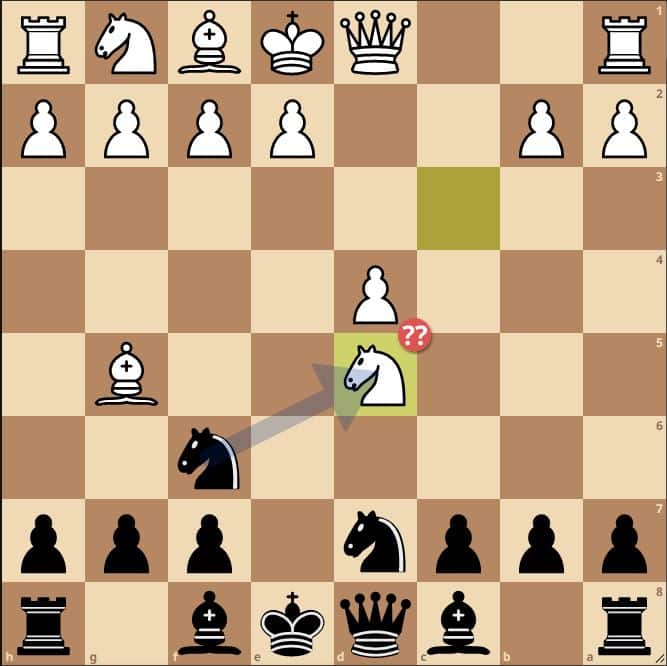
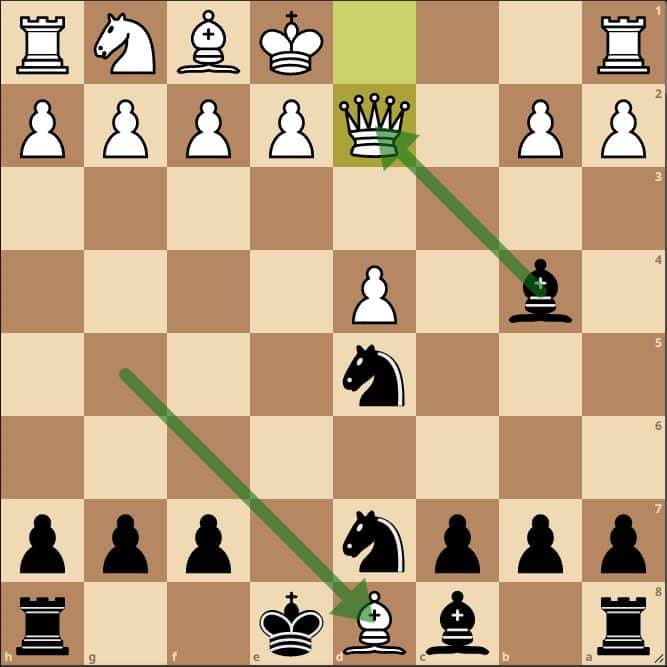
If you want to learn more about this trap, check out our article on the Elephant Trap.
Analiza partidas de esta apertura
Pega cualquier PGN para reproducir y estudiar partidas paso a paso. Encuentralas en Lichess o Chess.com.
Preguntas frecuentes
What is the Queen's Gambit?
The Queen's Gambit starts with 1.d4 d5 2.c4. White offers the c4 pawn in exchange for control of the center. It's not a true gambit since the pawn can easily be recovered.
Should I accept the Queen's Gambit?
Accepting (2...dxc4) isn't a mistake, but White recovers the pawn with a development advantage. Many players prefer to decline with 2...e6 (Queen's Gambit Declined) or 2...c6 (Slav Defense).
What's the difference between the Queen's Gambit Accepted and Declined?
In the Accepted (2...dxc4), Black temporarily concedes the center. In the Declined (2...e6), Black keeps the d5 pawn and builds a solid position.