
Benko (Volga) Gambit: relentless pressure on the queenside
The Benko Gambit, also known as the Volga Gambit, is one of the most active weapons you can use against queen’s pawn openings. Black gives up material very early to open lines on one side of the board and gets pressure that, well handled, can last the entire game.
What is the Volga Gambit?
Can you imagine having open files and active pieces practically from the start? That’s what the Benko Gambit offers you. Black’s plan is very coherent: you trade a pawn for activity, open files, and an initiative that’s very uncomfortable for White. Whoever plays the Benko isn’t looking for dry equality, but for compensation that’s easy to handle and very unpleasant to defend against.
How to play the Benko-Volga Gambit?
Let’s get to the essentials: the Volga Gambit doesn’t chase an immediate mate. Its strength lies in the strategic advantages it generates almost effortlessly if you know how to place your pieces well.
Black’s advantage in the Volga Gambit
- Open files for your rooks.
- Sustained pressure on the queenside.
- Very active pieces in exchange for just one pawn.
- Practical discomfort for White if they’re slow to coordinate.
In short, your attack as Black usually proceeds through the queenside and the long diagonals.
White’s advantage in the Volga Gambit
- White has a pawn advantage.
- If they consolidate, they can convert that extra material into a favorable endgame.
Position and basic plans of the Benko Volga Gambit
You play Black. The Benko Gambit sequence: Nf6, c5 (central pressure), b5 (the gambit!). White captures (cxb5), you offer the second pawn with a6. White takes with bxa6 and you're already in the accepted gambit.
Variations of the Benko Volga Gambit
Let’s look a bit deeper at some branches of the Volga Gambit:
Benko Volga Gambit Accepted
Here we reach the most representative position of the system. As Black, you’ve already given up the material you meant to give, and you start collecting the compensation in the form of activity, flank pressure, and ease of placing your rooks on open files.
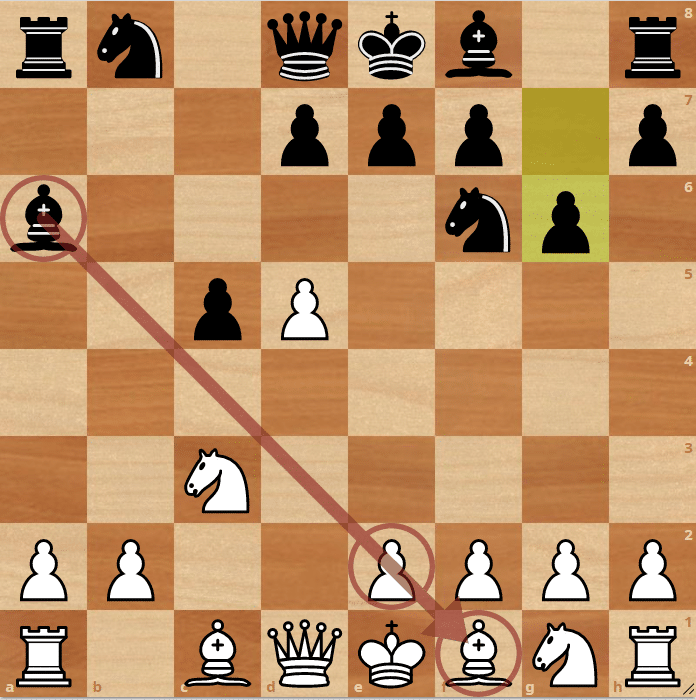
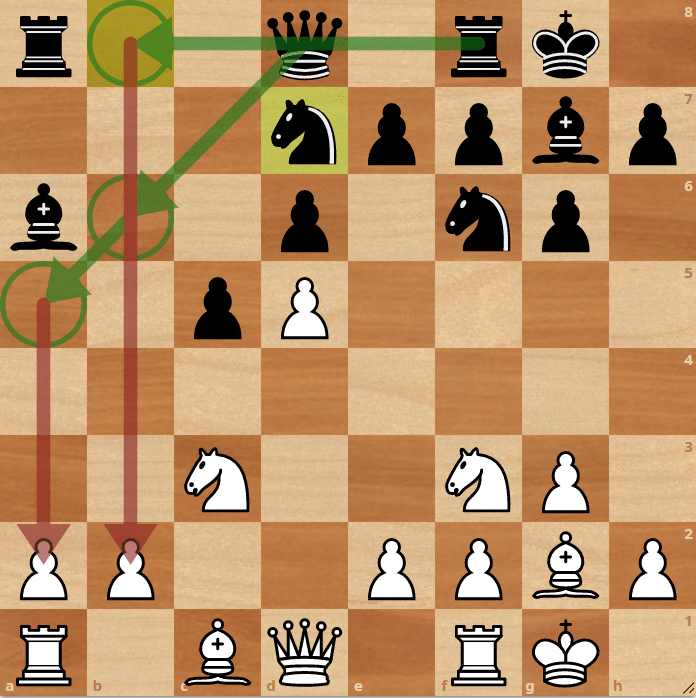
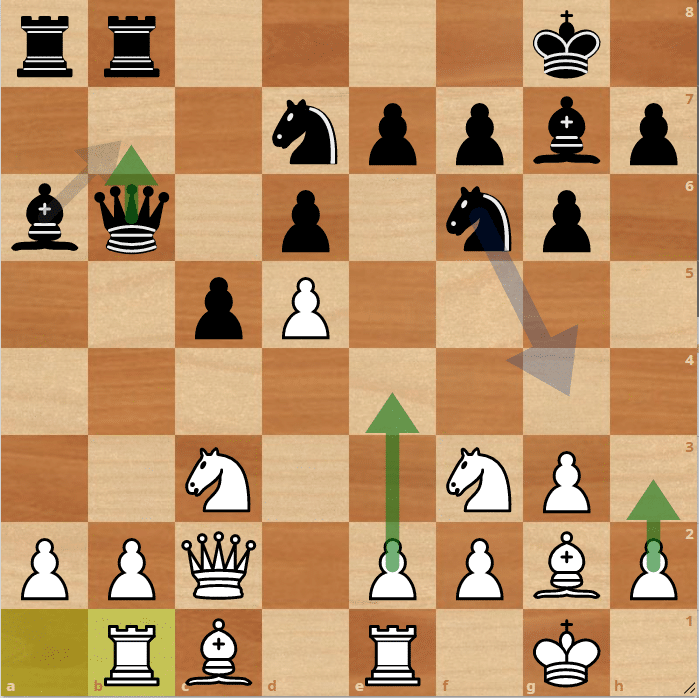
Your plan as Black revolves around very natural development and occupying the open lines. The compensation doesn’t depend on a single tactic, but on a sum of small problems White must solve with great precision.
For their part, White tries to consolidate, neutralize the pressure, and prove that the extra pawn outweighs your activity. That fight between material and compensation is the essence of the Benko. Do you think one pawn is worth everything? The Benko will show you it isn’t always.
Benko Volga Gambit Declined
There’s also the Volga Gambit Declined, where White decides not to enter the most typical structure and looks for less direct positions.
Benko Volga Countergambit
In these lines you keep seeking initiative, though the game tends to be less clean and more dependent on maneuvering.
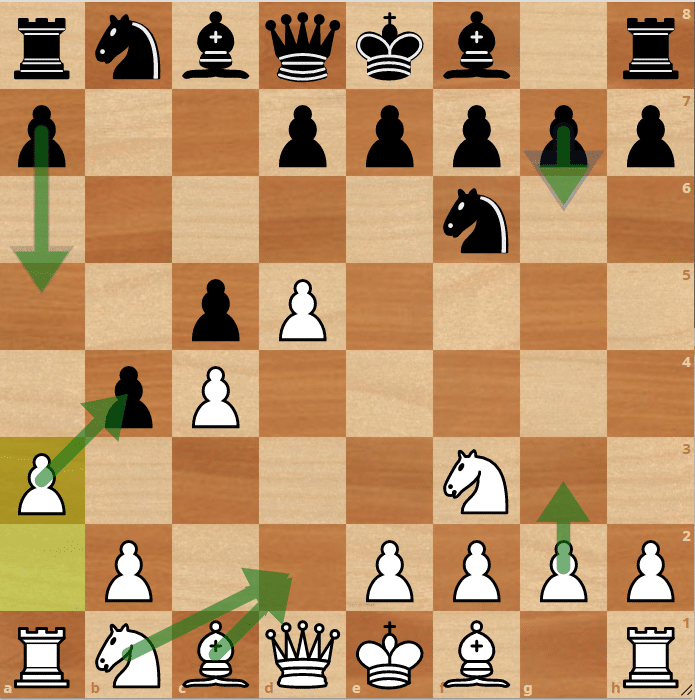
Benko Volga Gambit Declined
In this case, White takes a middle-ground decision: they accept part of the material and avoid entering the most direct version of the accepted gambit.
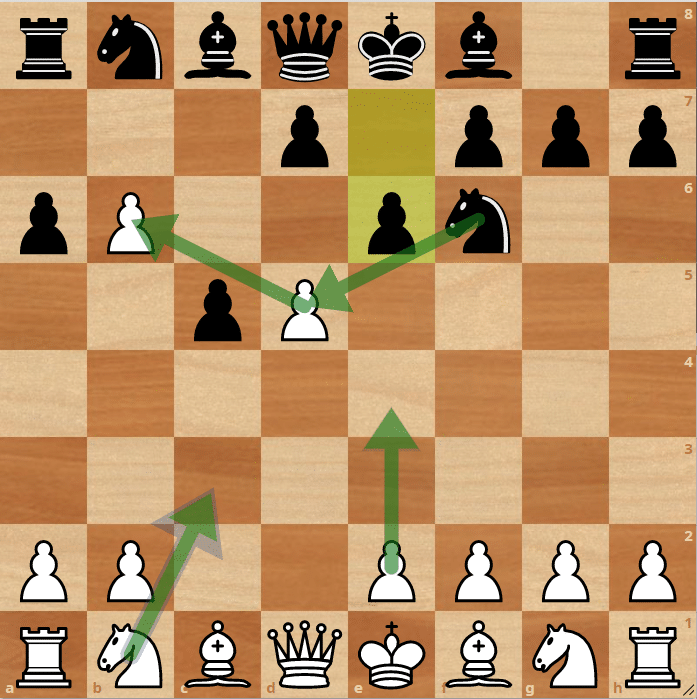
These are the main lines of the Volga Gambit. Without a doubt, a very powerful weapon for you if you accept being a pawn down in exchange for always having something to do and almost never a boring position. Once you master its ideas, you’ll see that activity can be worth much more than material.
Related openings: Queen’s Gambit · King’s Indian Defense · Chess openings
Analiza partidas de esta apertura
Pega cualquier PGN para reproducir y estudiar partidas paso a paso. Encuentralas en Lichess o Chess.com.
Preguntas frecuentes
What is the Benko (Volga) Gambit?
The Benko/Volga Gambit starts with 1.d4 Nf6 2.c4 c5 3.d5 b5. Black offers the b5 pawn (and then a6) to open the a- and b-files on the queenside. In exchange for the pawn, they get lasting pressure, active rooks, and the fianchetto bishop on g7.
Why does this gambit have two names?
'Volga Gambit' is the popular name in Eastern Europe (after the Volga River). 'Benko Gambit' is the international name, honoring the Hungarian-American Grandmaster Pal Benko, who popularized and deeply analyzed it in the 1960s-70s.
Is the Benko Gambit good for beginners?
It's not ideal for beginners because it requires understanding the principles of positional compensation (a pawn down in exchange for initiative). For intermediate players (1400-1800 Elo), it's excellent: the ideas are clear and the position is easy to play as Black.