The 10 Best Chess Players in History
Let’s take a look together at the 10 best chess players of all time.
Have you ever wondered who was the greatest? It’s not easy to choose. Chess has been producing geniuses for centuries, and every era has its own legends. World champions, grandmasters, prodigies who changed the game forever. I’ll introduce them one by one, from 10 to 1, with real data and what makes each of them unique.
Every player on this list dominated their era. Some did it with a brilliant attacking style; others with an almost perfect technique. All of them left a mark that’s still studied today.
Looking for the full biography of one in particular? We’re building out more individual player profiles, with their Elo progression, titles, and links to their official profiles.
10. Viswanathan Anand
Viswanathan Anand is an Indian grandmaster and five-time world champion. In 1988 he became India’s first grandmaster. A historic milestone for Asian chess.
What makes him special? His versatility. In 2006 he surpassed 2800 ELO points for the first time, a feat very few players have achieved. He won the undisputed world title in 2007 and successfully defended it against Kramnik in 2008, against Topalov in 2010, and against Gelfand in 2012.
He held the world number one spot for 21 months, the sixth-longest period on record. Many consider him the best rapid chess player of his generation. Once you dominate classical, winning in the faster formats too is another level entirely.
9. Paul Morphy
Paul Morphy was a 19th-century American chess player. He’s considered the greatest master of his time and the unofficial World Chess Champion. His story is fascinating and tragic in equal measure: they called him “The Pride and Sorrow of Chess.”
Why tragic? Because he learned to play simply by watching games between his father and his uncle. By age nine he was already one of the best players in his city. At twelve he defeated the Hungarian master Johann Löwenthal in a three-game match. And then, at the peak of his career, he retired while still young.
It’s believed that if he had kept playing, he might have become more famous than Bobby Fischer or Garry Kasparov. A natural talent the world never got to see in full.
8. Mikhail Botvinnik
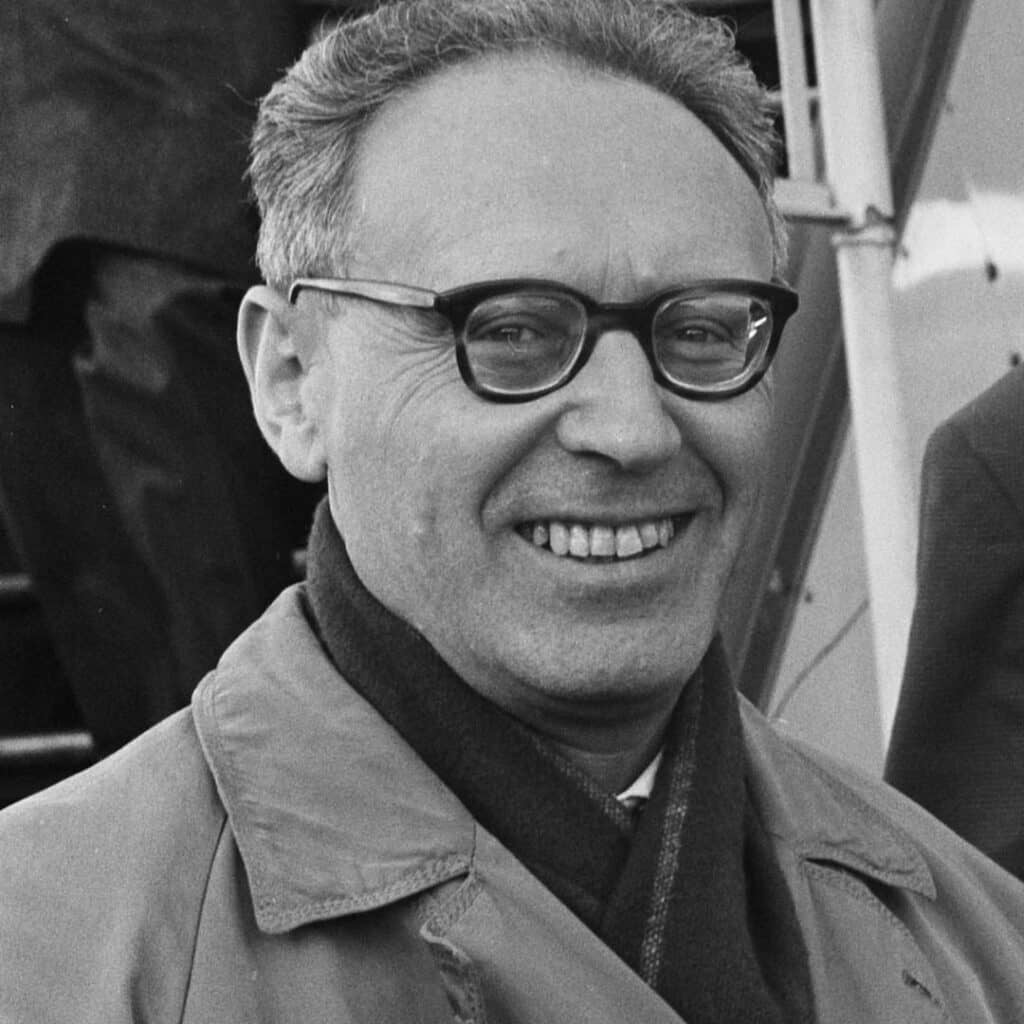
Mikhail Botvinnik was a Russian grandmaster and world chess champion from 1948 to 1963. He’s the father of the Soviet school of chess, a system of preparation and study that would shape entire generations of players.
But his contribution goes beyond the board. Botvinnik also played a key role in organizing world chess: he contributed decisively to designing the World Championship system after World War II. Without his work, today’s competitive chess would look very different.
Many consider him one of the greatest chess players in history. He earns a firm place in this top 10.
7. Alexander Alekhine
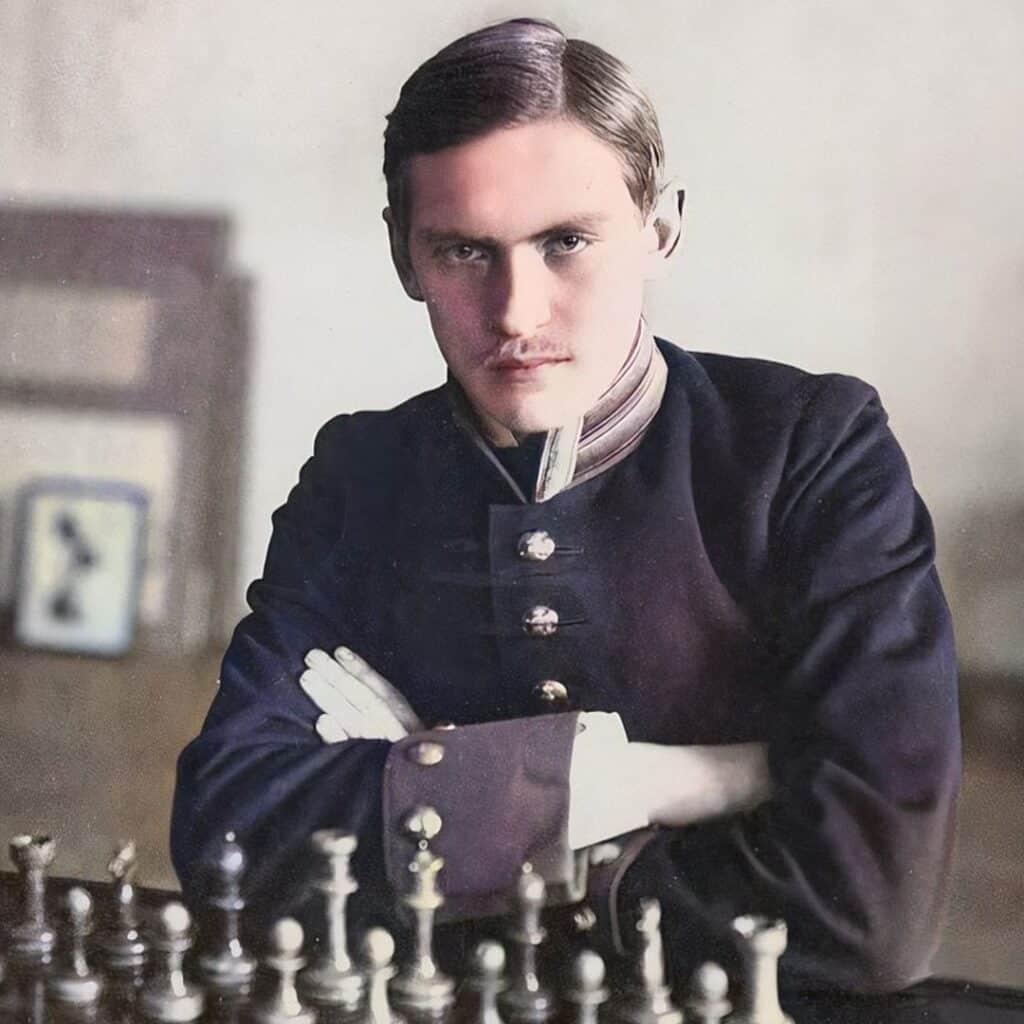
Alexander Alekhine was a Russian and French chess player, and the fourth World Chess Champion. He held the title across two separate reigns. Already at 22 he was among the most important chess players in the world.
In 1927 he beat José Raúl Capablanca and was crowned world champion. What defined him as a player? An extreme, creative attacking style, combined with great positional and endgame skill. He was capable of creating combinations no one else saw.
That said, his aggressive play sometimes caused him problems against more patient rivals, like Capablanca himself or Botvinnik. Violent openings carry that risk: when they don’t work, the blow can be very harsh.
6. Bobby Fischer
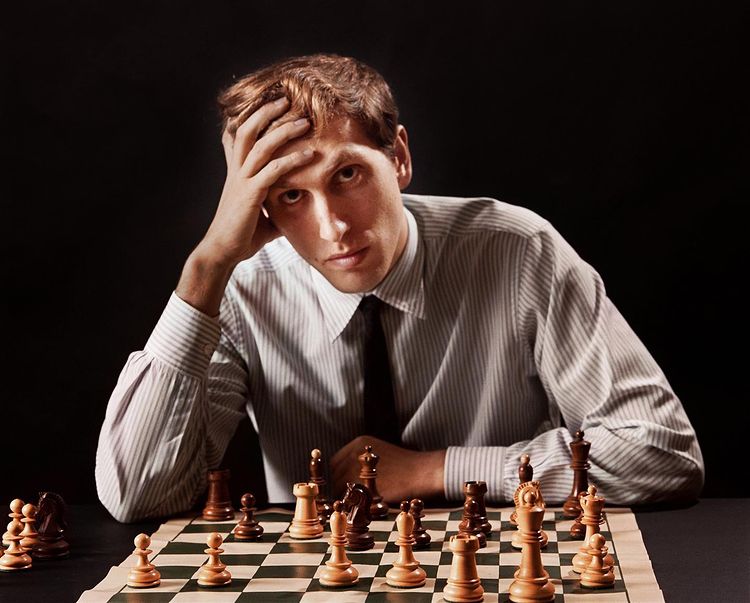
Bobby Fischer was an American grandmaster and the eleventh world chess champion. A pure prodigy. At 14 he won the 1958 United States Championship. And in 1964 he repeated it with a perfect score: 11 wins, no losses.
Can you imagine that? Winning every game of a national championship. That’s how Fischer was.
After eliminating Tigran Petrosian in the earlier stages, he won the world title against Boris Spassky of the USSR, in Reykjavik, Iceland. That match was much more than chess: it was a duel between two worlds in the middle of the Cold War.
He is, without a doubt, one of the most highly rated chess players of all time.
👉 Relive Bobby Fischer’s best games, starting with the Game of the Century he played at 13.
5. José Raúl Capablanca
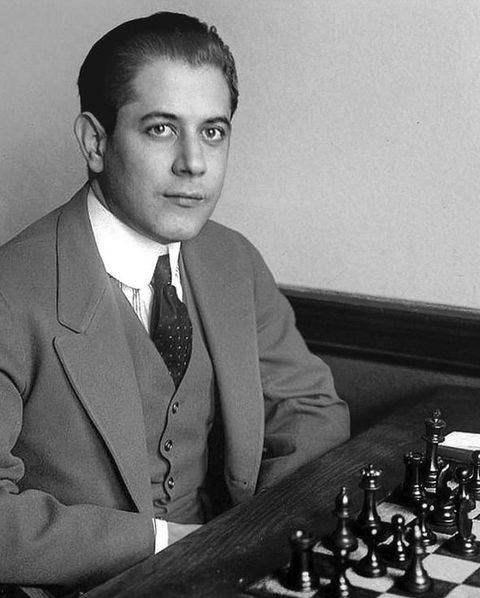
José Raúl Capablanca was a Cuban chess player and world champion from 1921 to 1927. If there’s a player known for his flawless endgame technique, it’s Capablanca. He played with a clarity and speed that stunned his rivals.
In 1921 he took the title from Lasker. And from February 10, 1916 to March 21, 1924 he remained unbeaten in high-level games. That period includes the World Championship. Eight years without losing.
His style directly influenced later players like Bobby Fischer and Anatoly Karpov. When you dominate endgames like that, your legacy survives for decades.
4. Wilhelm Steinitz
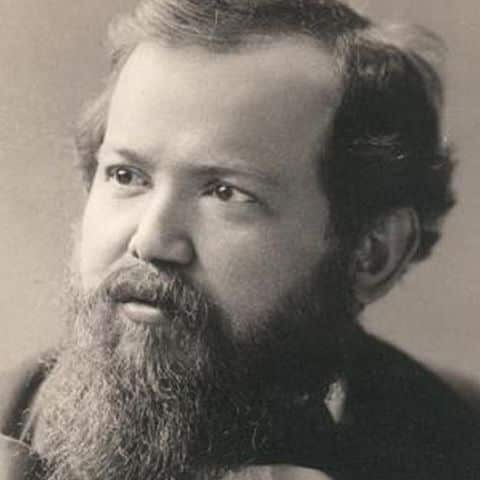
Wilhelm Steinitz was an Austrian and later American chess player. He is the first official World Chess Champion, a title he held from 1886 to 1894. Before Steinitz, chess was mostly instinct and attack. He introduced modern positional theory: defend what you have, accumulate small advantages, and convert them into a win.
He remained unbeaten in match play for 32 years, from 1862 to 1894. Thirty-two years. Statistical rating systems don’t always do him justice because he took several long breaks from competitive play. But a detailed study based on those same systems shows he was one of the most dominant players in the history of the game.
Without Steinitz, modern chess wouldn’t exist as you know it.
3. Anatoly Karpov
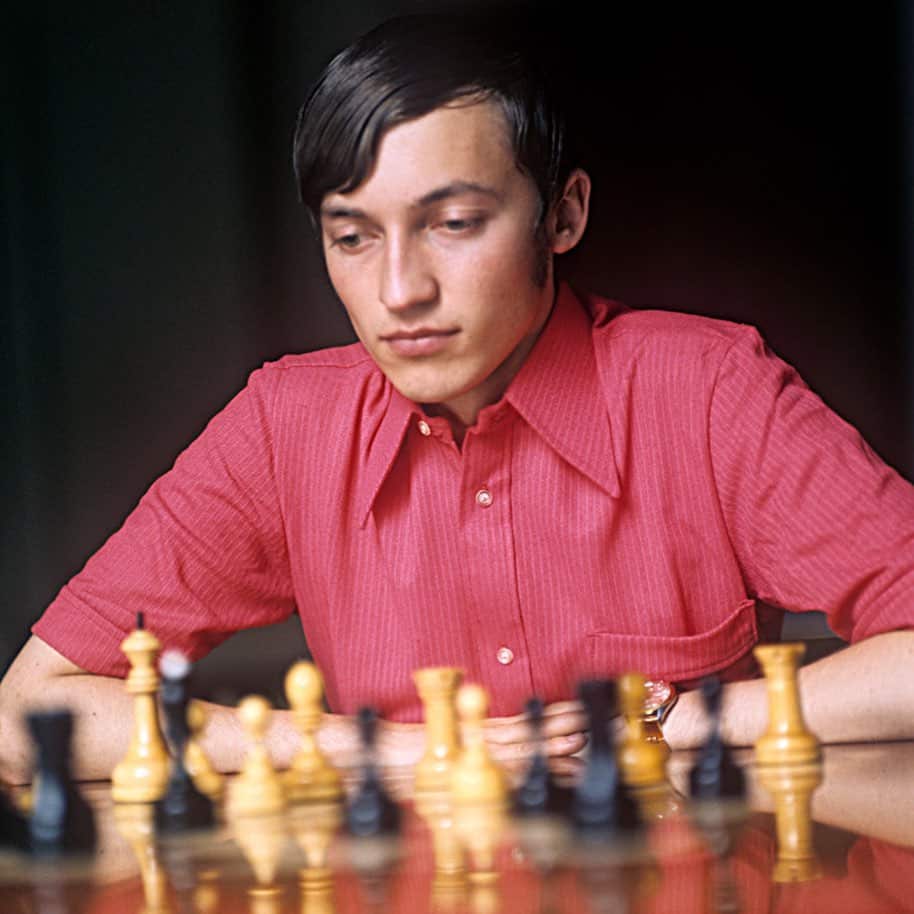
Anatoly Karpov was born in Zlatoust, Russia, on May 23, 1951. He is a Russian grandmaster and former world champion. An extraordinary career by the numbers: twelfth World Chess Champion between 1975 and 1985, three-time FIDE World Champion (1993, 1996, 1998), two-time World Team Champion with the USSR (1985, 1989), and six-time Chess Olympiad winner, also with the USSR.
The International Chess Press Association awarded him nine chess “Oscars.” His maximum ELO was 2780, and he accumulated 102 months at world number one: the third-longest period in history, behind only Magnus Carlsen and Garry Kasparov.
Want to see his finest moment? Many point to his victory over Viktor Korchnoi in Baguio City, where he came back from behind in an epic match. Karpov is proof that sustained consistency and technical mastery over years can overcome the most brilliant talent.
2. Garry Kasparov
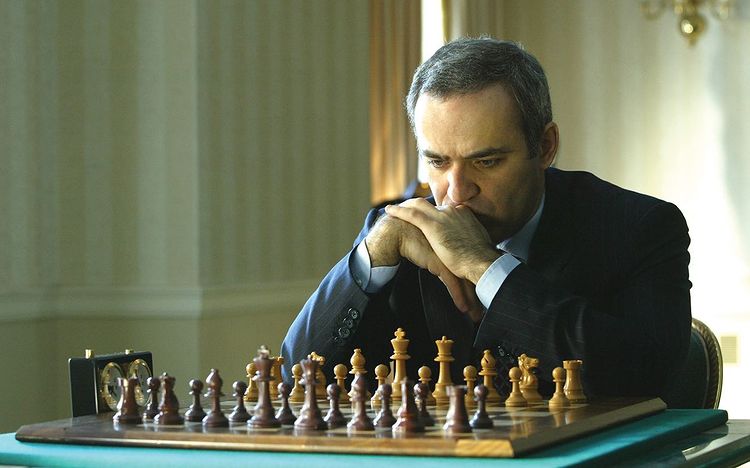
Garry Kasparov is a Russian grandmaster and former world champion. His maximum ELO was 2851, set in 1999 and the highest in history until Magnus Carlsen surpassed it in 2013.
From 1984 until his retirement in 2005, Kasparov was ranked world number 1 for a total of 255 months. No record before or since comes close. He also holds the records for most consecutive tournament wins in professional play (15) and most chess Oscars (11).
He became the youngest world champion in history, at 22, by beating then-champion Anatoly Karpov. A large majority of chess players consider him the best of all time. And it’s very hard to argue otherwise.
👉 Relive Garry Kasparov’s best games, led by his immortal victory over Topalov. And you have his full biography, with his Elo progression and his world championships against Karpov, in Garry Kasparov’s profile.
1. Magnus Carlsen
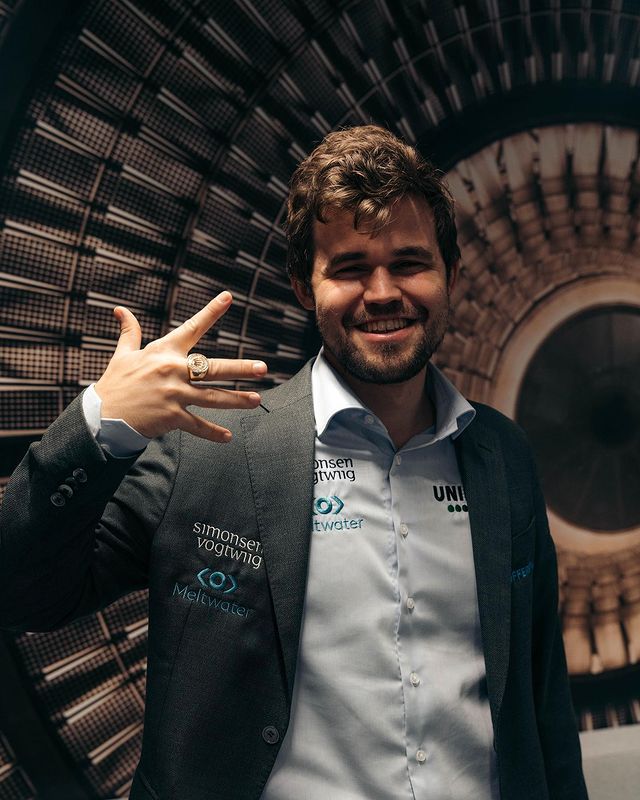
Magnus Carlsen is a Norwegian grandmaster and five-time classical world champion. He’s also a three-time world rapid chess champion and five-time world blitz champion.
Since July 1, 2011, he has held the world number 1 spot in the FIDE rankings. Only Kasparov surpasses him in total time as the world’s top-ranked player.
The numbers are historic. His maximum ELO of 2882 is the highest ever recorded. He also holds the record for the longest unbeaten streak at the highest level of classical chess. He reached 2800 at 18, the youngest of his era to do so. In 2010, at just 19, he reached FIDE world number 1, becoming the youngest person ever to achieve it.
In 2013 he won his first World Championship against Viswanathan Anand. The following year he retained the title against the same rival. And in 2014 he added the World Rapid and World Blitz Championships, becoming the first player in history to hold all three titles simultaneously.
For me, Magnus Carlsen is the best chess player in history. The numbers back it up.
👉 Relive Magnus Carlsen’s best games, including the queen sacrifice that kept his crown in 2016. And you have his full biography, with his Elo progression, in Magnus Carlsen’s profile.
Who did we leave out?
It’s very hard to choose just ten. If you think we’ve left someone out, tell me in the comments. Players like Emanuel Lasker, Vladimir Kramnik, Mikhail Tal, Judit Polgár, Maia Chiburdanidze, Tigran Petrosian, Hou Yifan, Boris Spassky, or Vera Menchik could easily make this list. And in the future, names like Abhimanyu Mishra, Gukesh Dommaraju, Rameshbabu Praggnanandhaa, or Alireza Firouzja might shift the debate. Should we make a list of the most promising up-and-coming players? I’m all ears!
Preguntas frecuentes
Who is the best chess player in history?
There's no absolute consensus, but Garry Kasparov and Magnus Carlsen are the most-cited candidates. Kasparov held the number 1 spot for 20 years and dominated chess like no one else. Carlsen has the highest historical Elo (2882) and has combined classical, rapid, and blitz chess with unprecedented dominance.
Was Bobby Fischer the best of all time?
Fischer was the most dominant player of his era: he won the US Championship at 14 and beat Spassky in 1972 in a historic performance. Many experts consider him the player with the greatest natural talent in history, although his career was shorter than Kasparov's or Carlsen's.
Which player had the greatest impact on chess theory?
Wilhelm Steinitz introduced modern positional theory, Nimzowitsch and Réti introduced hypermodernism, and Kasparov brought advances with computer databases. As a pure theorist, Steinitz and Nimzowitsch are the most influential in the game's evolution.