Transposition in chess: what it is and why it matters in openings
Did you know two completely different games can end up at exactly the same position? That’s a transposition: reaching the same board through a different order of moves.
It’s one of those concepts that, once you understand it, changes the way you study openings.
What transposing means
Transposing means steering the game into a different opening variation than the one it started with. The result on the board is identical; only the path you took changes.
This happens a lot in the opening. The same position can be reached through several move orders, and experienced players use that to their advantage.
What’s it for? To avoid lines you don’t like and steer your opponent toward territory you know better. It’s a tool of flexibility, not trickery.
Example of a transposition
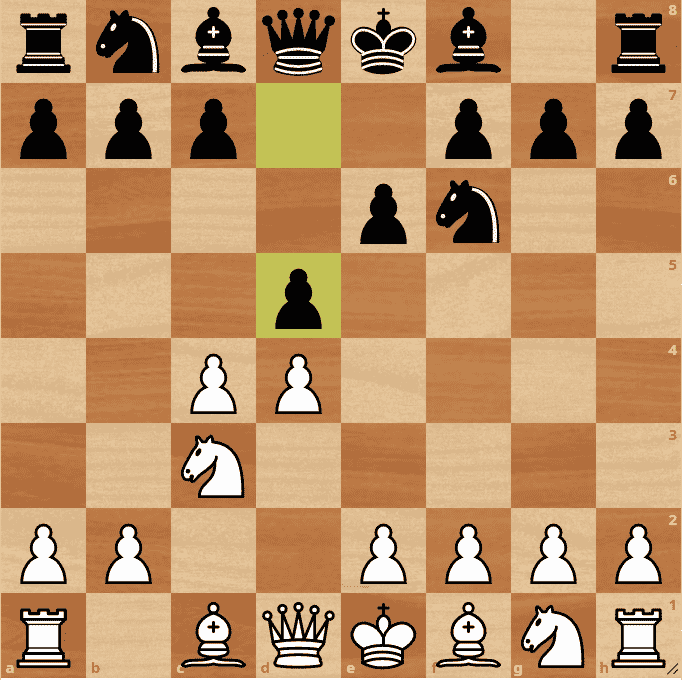
Let’s look at a concrete example. Check out these two sequences:
Queen’s Gambit
- d4 d5
- c4 e6
- Nc3 Nf6
English Opening
- c4 Nf6
- Nc3 e6
- d4 d5
The move order is different, but the final board is exactly the same. The English Opening has transposed into the Queen’s Gambit.
Why you should know transpositions
If you study an opening repertoire, it’s easy to get stuck when your opponent doesn’t follow the “expected” order. Knowing transpositions gives you real flexibility: you can reach your favorite positions even if the path there is different.
This is especially useful in flank openings and in the transition to the middlegame, where move order has a big influence on which variations stay active.
Once you master this concept, your repertoire becomes much more solid. You’ll no longer depend on your opponent doing exactly what you expect.
Preguntas frecuentes
What is a transposition in chess?
A transposition is when the same board position is reached through a different order of moves. For example, the Sicilian Defense can transpose into the English Opening depending on the move order. It's a key concept in opening study.
Why do transpositions matter?
Because they let you avoid uncomfortable lines from your opponent and reach positions you know better, even if you started with a different move order. Good knowledge of transpositions greatly expands the flexibility of your opening repertoire.