
Caro-Kann Defense: the most solid answer to 1.e4
Looking for a defense against 1.e4 that’s rock solid and doesn’t force you to memorize a thousand variations? Then the Caro-Kann Defense is for you. Its secret lies in the structure: with 1.e4 c6 you prepare the advance d5, supporting the pawn, building a reliable center and reaching the middlegame with no weaknesses. It’s no coincidence that such technical champions as Karpov chose it their whole career.
Let me explain the idea in one sentence: instead of seeking a mess from the start, you place your pieces in order and let your light-squared bishop out before closing the position. Let’s see it on the board.
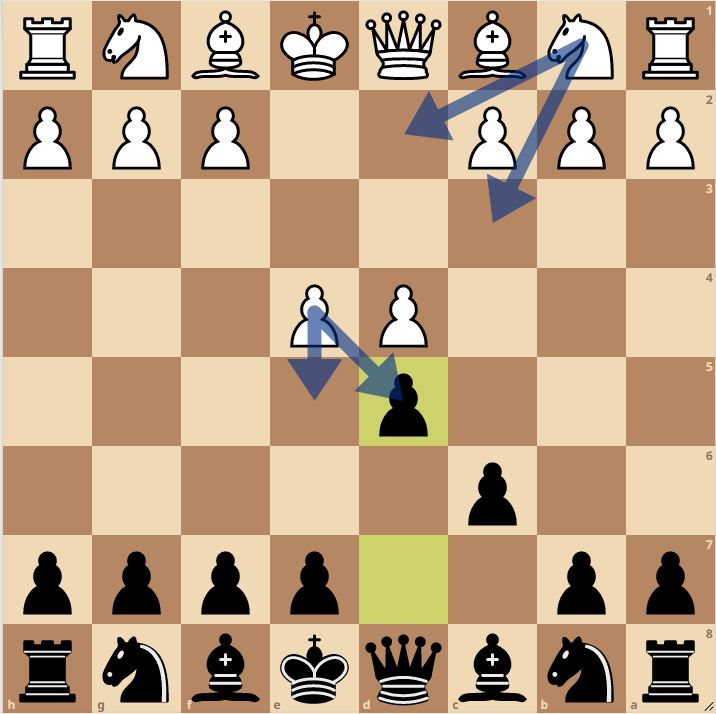
You play Black. The classical sequence: against 1.e4, you play c6. White occupies the center with d4, you press with d5. Against Nc3, you capture on e4 (dxe4) and develop the bishop to f5 — the most important move of the classical variation.
Where does the name Caro-Kann come from?
The Caro-Kann Defense owes its name to Horatio Caro and Marcus Kann, who analyzed it in the late 19th century. Over the years it became the signature opening of players who prefer precision and resilience over tactical chaos.
Want an example? Anatoly Karpov, one of the most solid world champions in history, used it as his main weapon throughout his career. If it worked for him against the best in the world, you can see how reliable it is.
Advance Variation
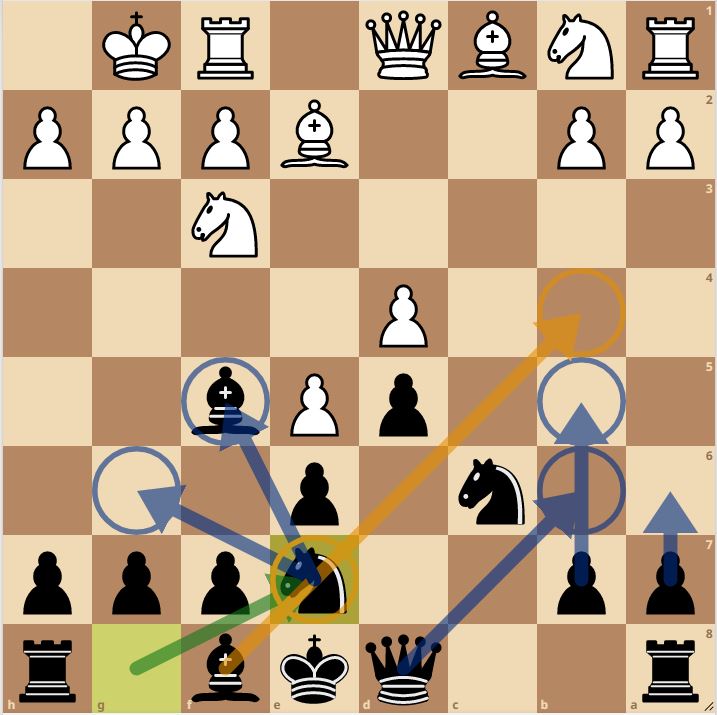
The Advance Variation appears when White gains space early and closes the position. In exchange for that space, you get very clear objectives: pressure the center and counterattack patiently.
It’s one of the most instructive lines, because it teaches the central idea of the Caro-Kann: when your opponent advances too early, you don’t contest the space immediately, you wait for the right moment to attack it.
Exchange Variation
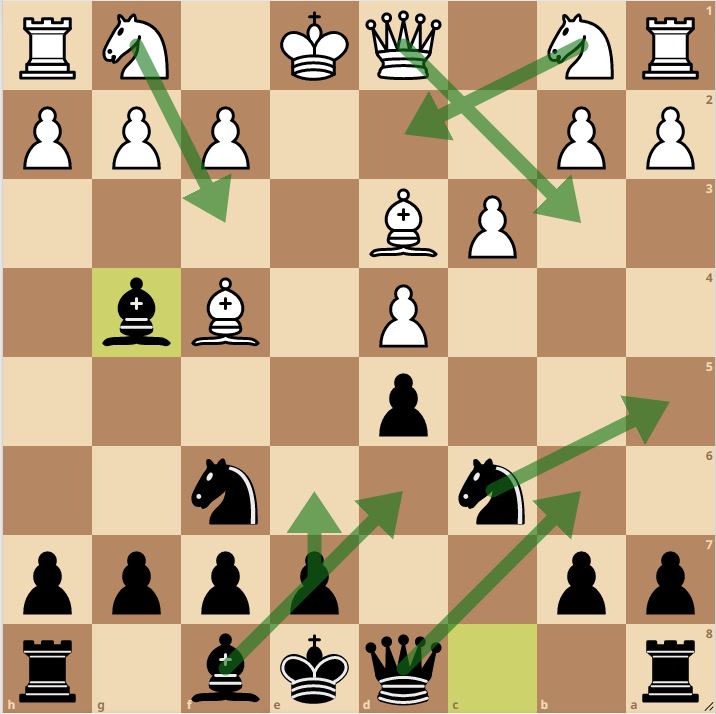
In the Exchange Variation, White resolves the central tension right away. The result is cleaner, easier-to-understand positions where your plan is simple: complete development, coordinate your pieces, and make use of your good structure.
For club players it’s a very rewarding line: you practice endgames and technical middlegames without giving up a completely healthy position.
Classical Variation
The Classical Variation best represents the spirit of the opening. You give up a bit of initiative in exchange for very natural placement and harmonious development of all your pieces.
And do you know its great practical advantage? Your light-squared bishop gets out of the pawn chain before closing the position, something you don’t achieve in other solid defenses (like the French). That bishop is often worth its weight in gold in endgames.
Other branches worth knowing
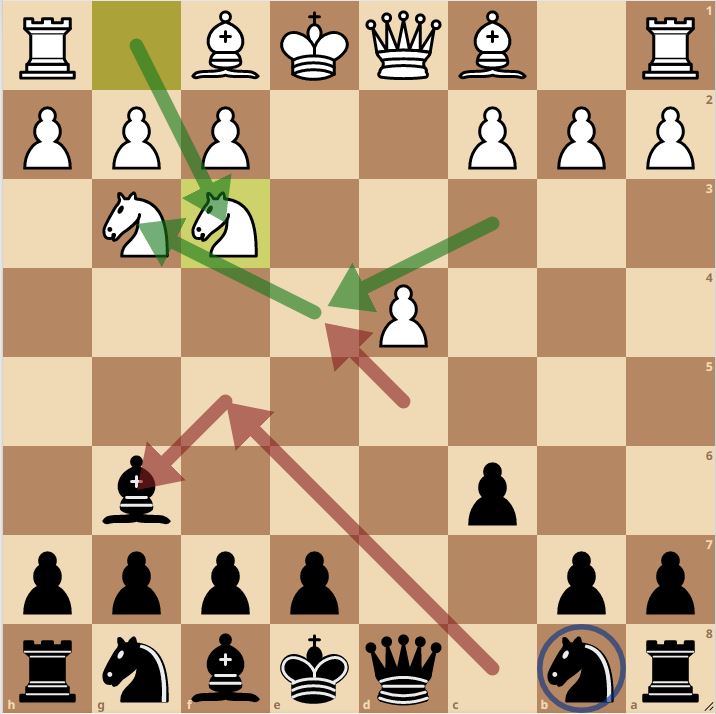
You don’t need to master them all at once, but here they are so you recognize them when they appear:
- Bronstein-Larsen: more unbalanced, for when you want activity even if your structure gets a bit dented.
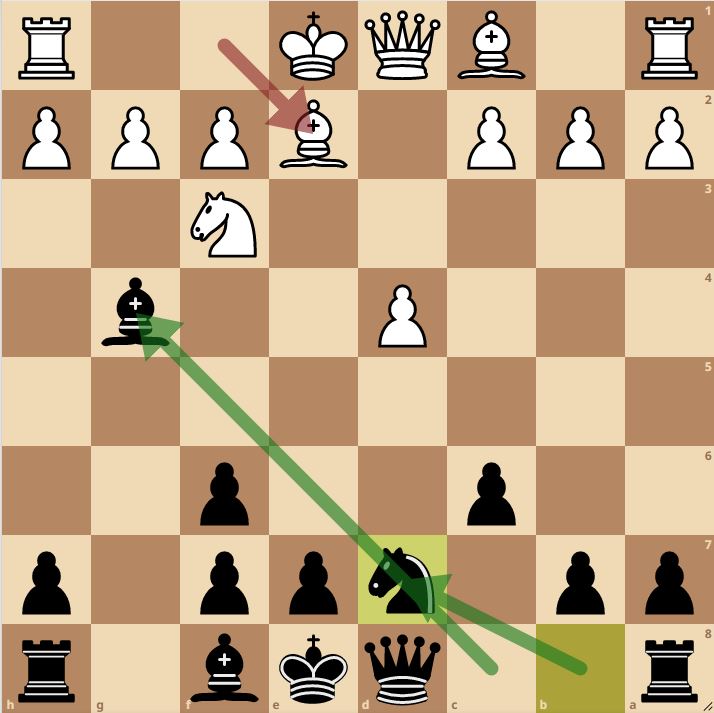
- Fantasy: an ambitious reply from White; you’ll need to play carefully and know the development order well.
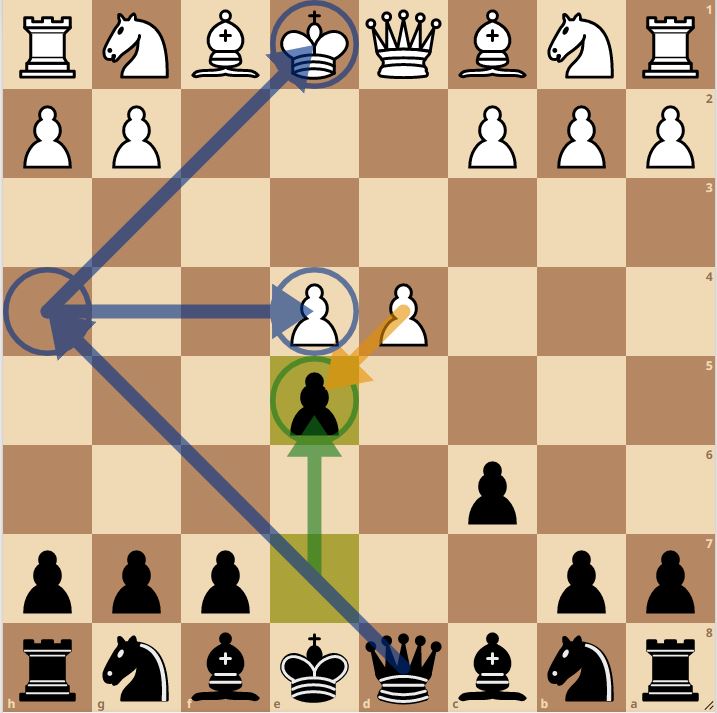
- Panov Attack: takes the game into more open, dynamic structures, with lots of piece play.
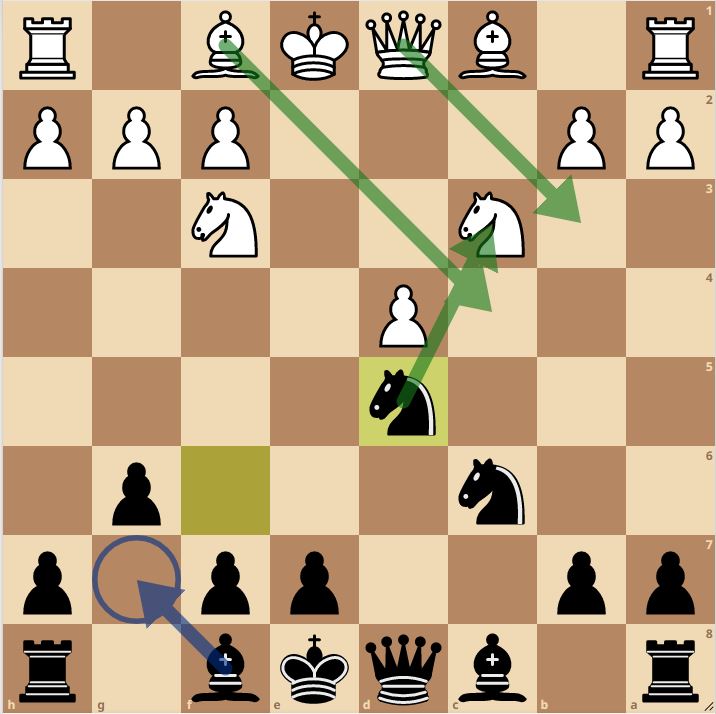
- Two Knights: a flexible way to develop quickly and step outside the more routine schemes.
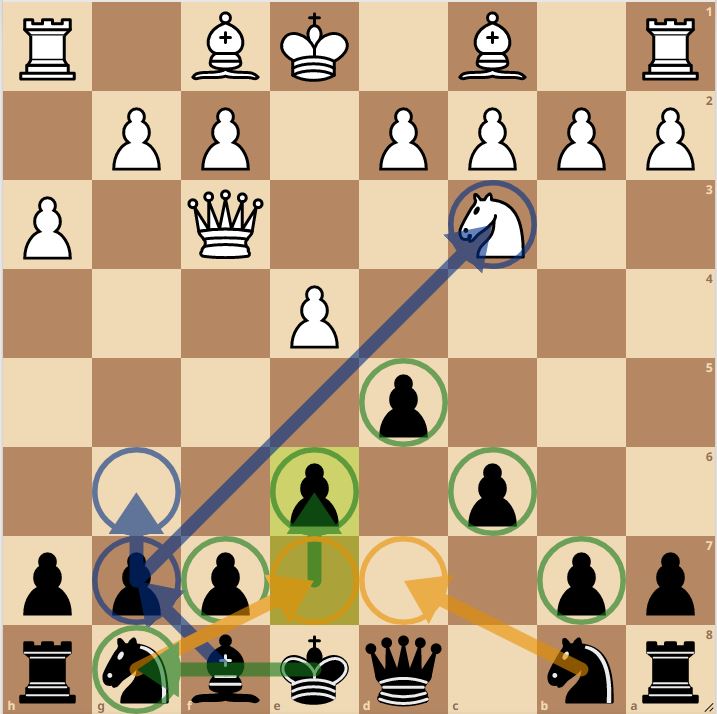
My advice: master the base idea of the Caro-Kann first, and expand your repertoire later based on the kinds of positions you enjoy most.
Is the Caro-Kann for you?
The Caro-Kann fits perfectly if:
- you want a solid, reliable defense against 1.e4;
- you enjoy positions where coordination matters more than memorization;
- you’d rather suffer little in the opening and play the middlegame with a healthy structure.
And watch out, don’t let its reputation fool you: it’s not a passive defense. It simply chooses a different kind of initiative. Instead of attacking right away, you build a firm base and wait for your moment. Once you get the hang of it, you have a defense for life.
Related openings: French Defense · Sicilian Defense · Chess openings
Analiza partidas de esta apertura
Pega cualquier PGN para reproducir y estudiar partidas paso a paso. Encuentralas en Lichess o Chess.com.
Preguntas frecuentes
What is the Caro-Kann Defense?
The Caro-Kann starts with 1.e4 c6. Black prepares d5 on the next move supported by the c6 pawn, achieving a very solid pawn structure with no weaknesses.
Caro-Kann vs Sicilian: which to choose?
The Caro-Kann is more solid and has fewer variations to memorize. The Sicilian gives more counterplay and more winning chances, but is more complex. For positional, defensive players, the Caro-Kann is the better choice.
Why is the bishop good in the Caro-Kann?
In the classical variation (3...dxe4 4.Nxe4 Bf5), Black manages to develop the light-squared bishop outside the pawn chain before closing the position. This is usually a small advantage in endgames.