
Chess Openings: complete guide
The chess opening is the first phase of the game. Here you have a clear objective: control the center of the board and bring your pieces out as soon as possible. How do you do it well from the very first move? Let’s look at this 3x3 of general opening rules:
Rules of the Opening in Chess
1. Try to dominate the center of the board
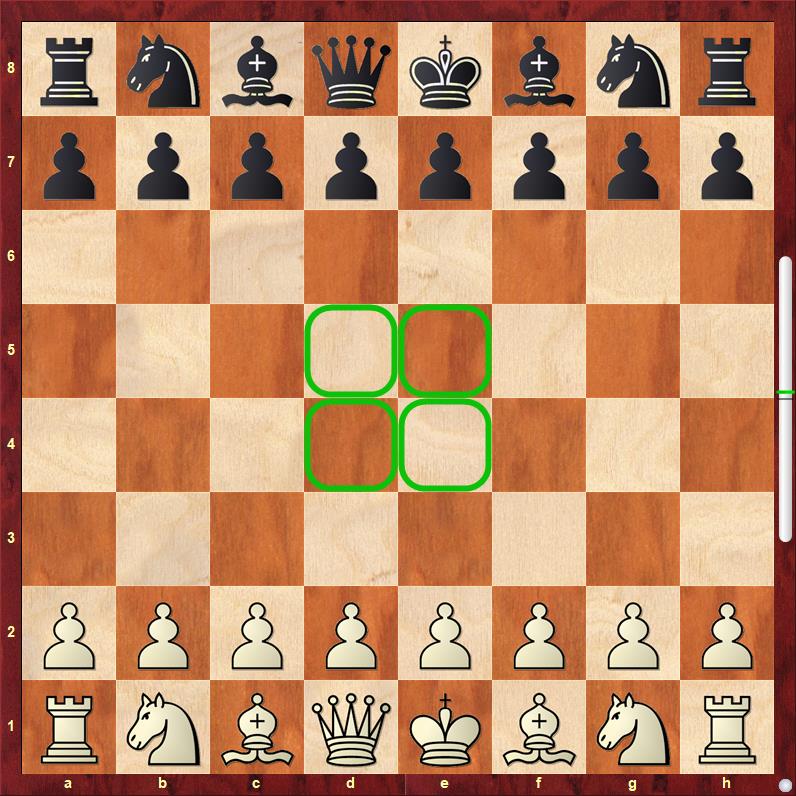
- Play to control the center of the board. The center is formed by the d4, d5, e4 and e5 squares.
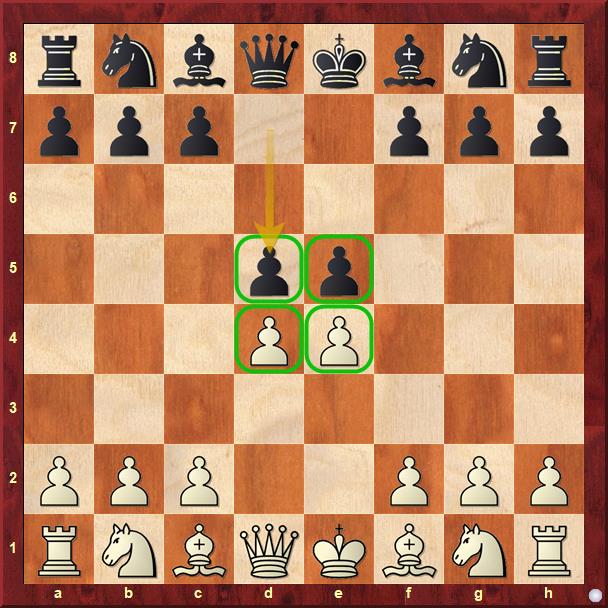
- Start by moving the e-pawn or the d-pawn: these are the pawns that fight to dominate that center.
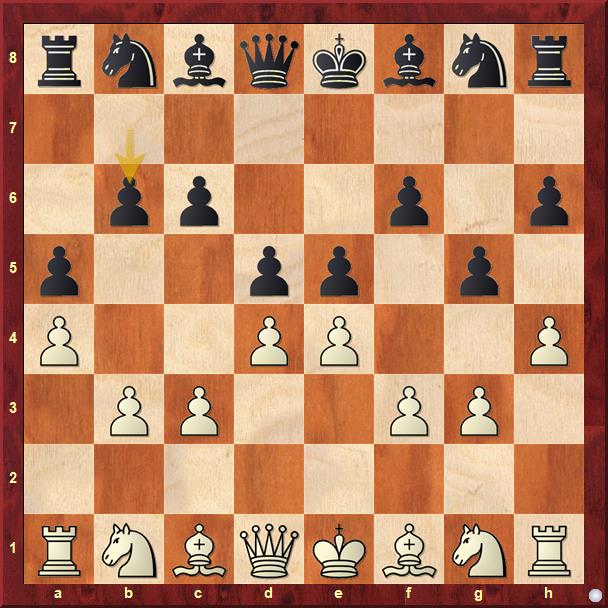
- In the opening, move only one or two pawns, no more.
2. Develop your most valuable pieces
- Develop your knights before your bishops. Knights need specific squares to become dangerous; if you wait too long, they run out of space.
- While developing, try to make each piece threaten something or make your opponent’s game harder. Don’t move just for the sake of moving.
- Put your king safe by castling. As a bonus, you activate the rook and bring it into play.
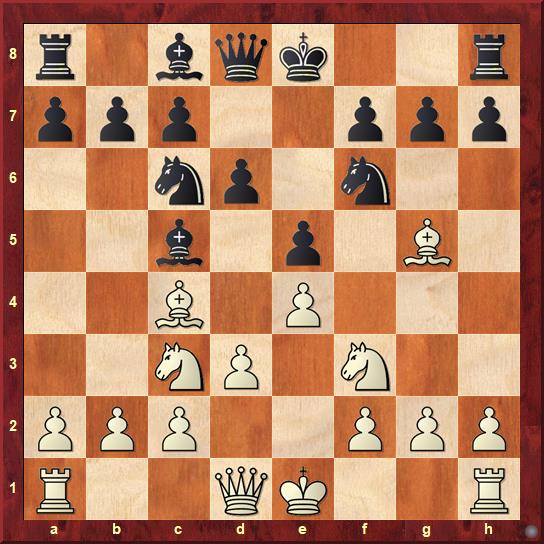
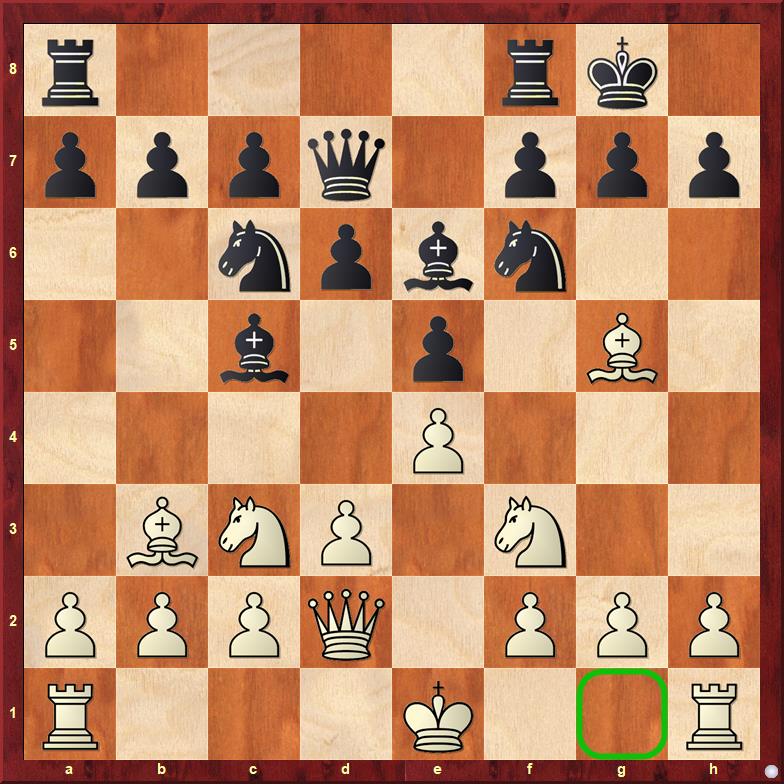
3. Typical mistakes in the chess opening
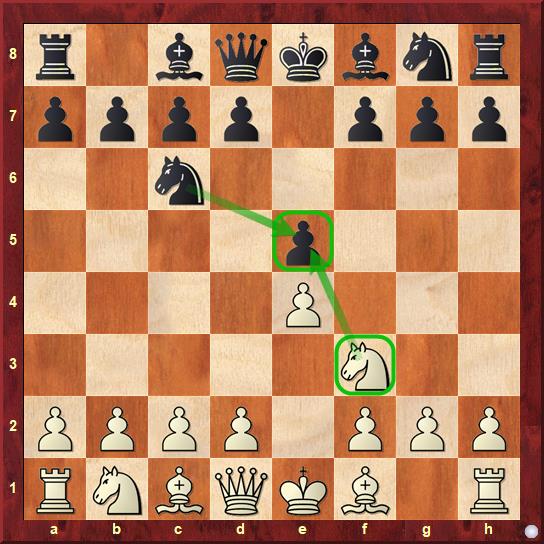
- Don’t place a piece where it can be easily attacked. If you move it to a bad square, you’ll have to move it again and waste a turn. The rule is simple: try to move each piece only once during the opening.
- Don’t bring the Queen out too early. Enemy pieces will chase her all over the board. You’ll waste valuable time and fall behind in development while your opponent gets ahead.
- Don’t give away pieces without a good reason. A sacrifice makes sense when you get something in return: gaining a development tempo, preventing the opponent from castling, launching a decisive attack, or diverting the enemy Queen.
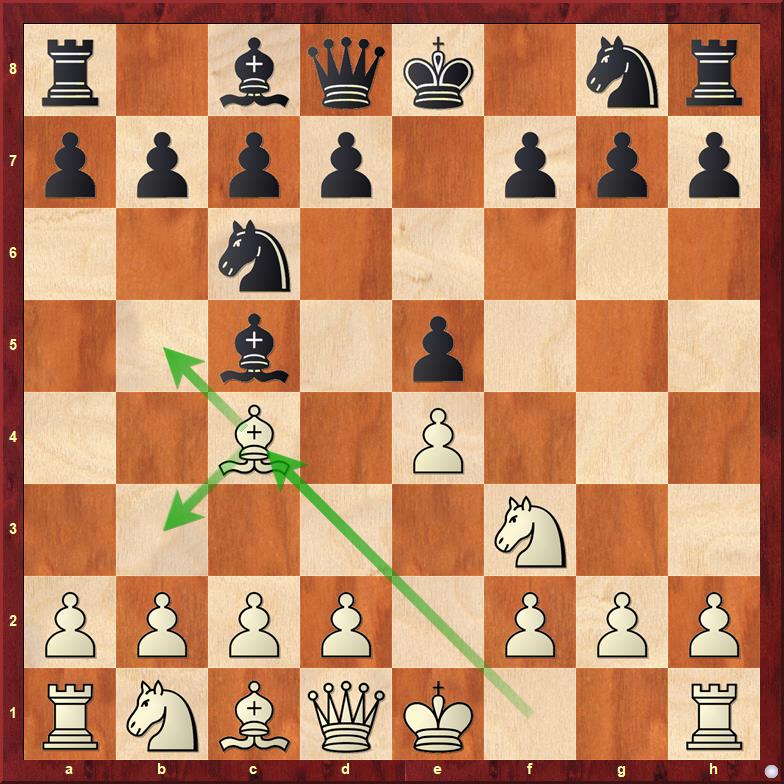
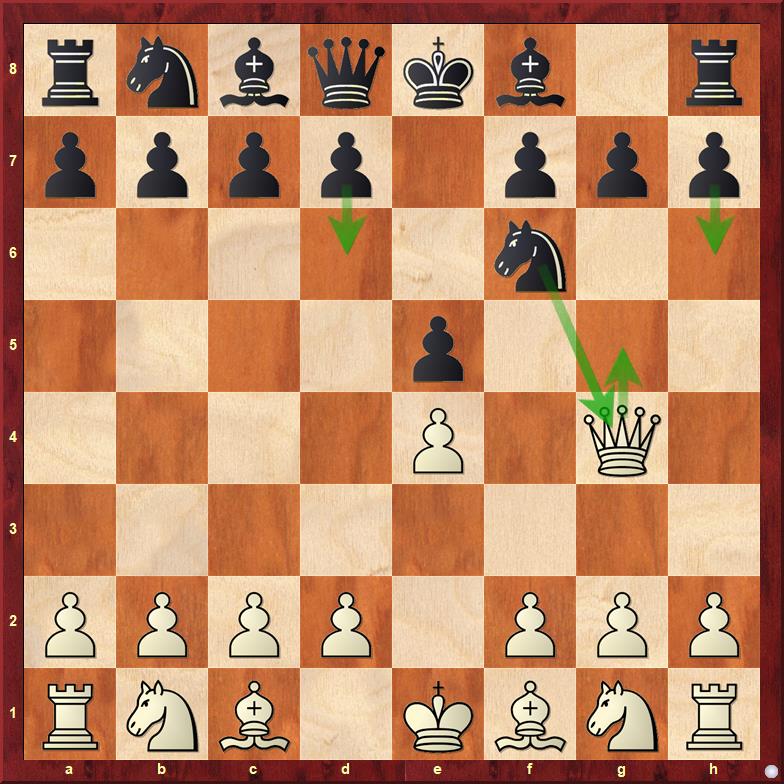
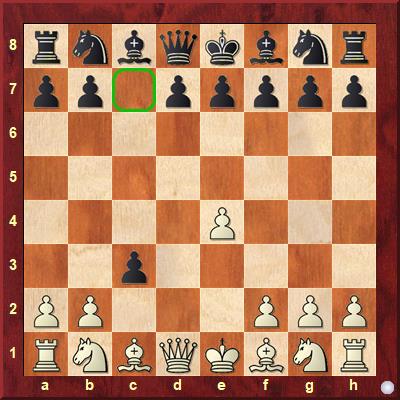
These rules are a guide, not a cage. There are always exceptions in chess openings, but watch out: when a grandmaster breaks a rule, they do it for a good reason. Look at the following diagram:
Exceptions in the opening
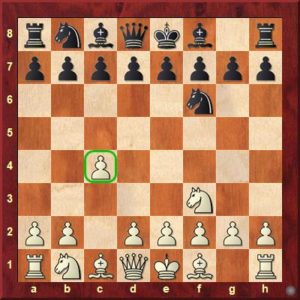
See how White hasn’t played d4 or e4? At first glance it looks like they’re breaking rule 1. But look closely: the pawn on c4 is attacking the central d5 square. That’s control of the center. The move is good.
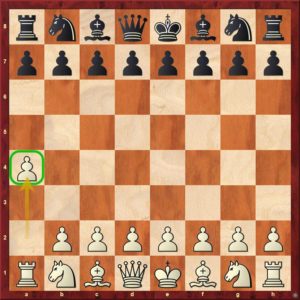
Now compare it with this position. The pawn has no effect on the center. It doesn’t threaten anything, it doesn’t control anything. That move is NOT good!
If you’re just starting out, I recommend beginning with 1.e4 and replying with 1…e5. The resulting positions are open, pieces develop fast, and the game is tactical. The ideas are easier to see and understand, and you’ll learn much faster.
Classifying openings by type
Not all openings are alike. The first moves define the type of game you’re going to play: open, positional, tactical or double-edged. Before choosing your repertoire, it helps to know what awaits you in each family. Let’s look at them:
Open openings
In open openings the pawns don’t block the center: the board opens up from the very first moves and the pieces develop quickly. Bishops shine here because big diagonals open up for attacking. These are the king’s pawn openings, with e4-e5.
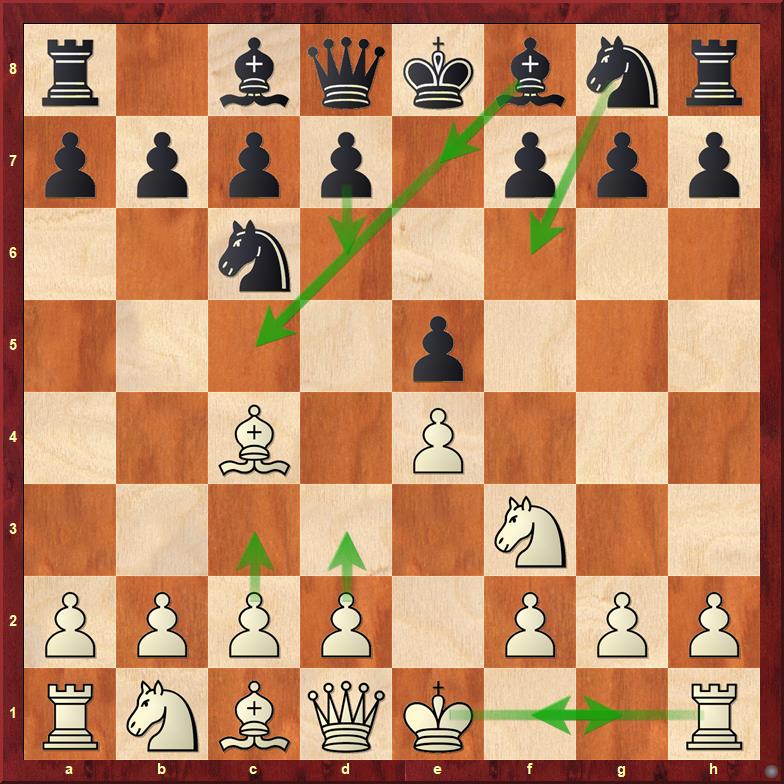
Ruy Lopez – Scotch – Petrov
Closed openings
In closed openings the pawns form a solid structure that blocks the board. Here knights are king: they can jump over pawns, while bishops get locked in behind them. The game is more positional and tension takes longer to erupt. These are the queen’s pawn openings, with d4-d5.
Queen’s Gambit – Slav Defense – Torre Attack – Colle System
Semi-open openings
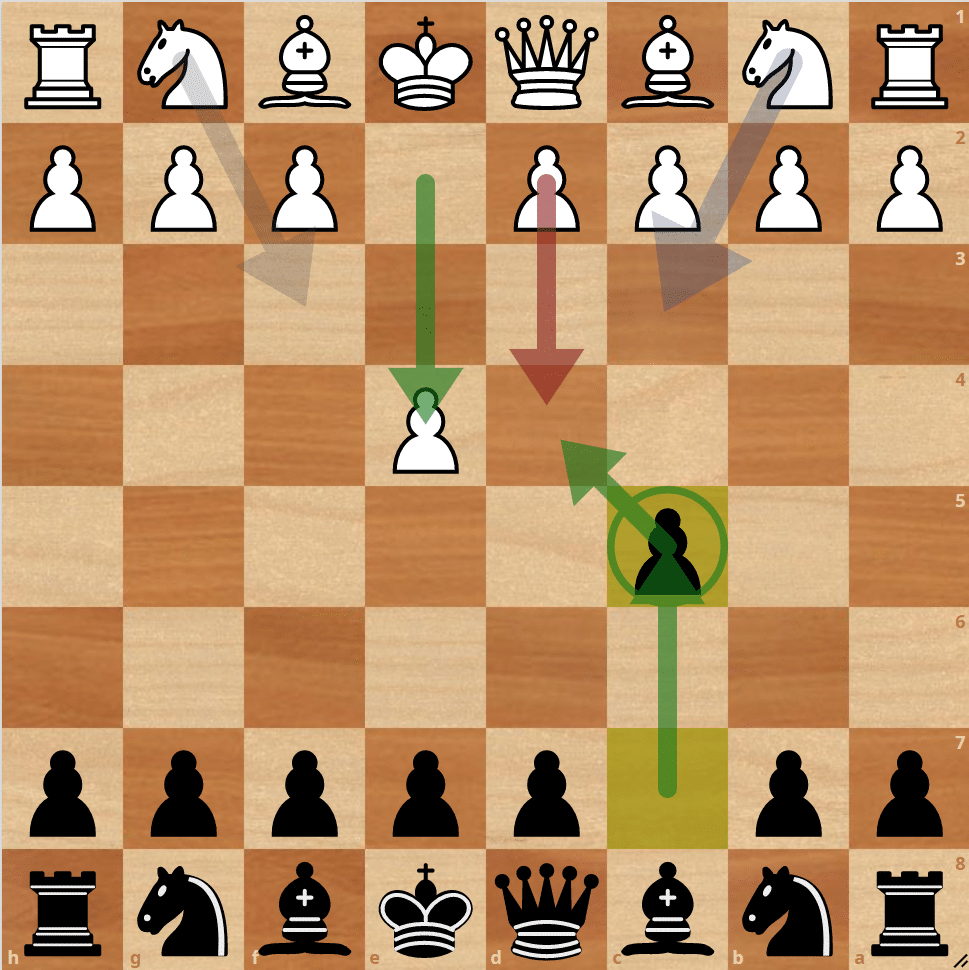
What if Black doesn’t reply e5 to White’s e4? Then we’re looking at a semi-open opening. The pawn structure isn’t as open, and that creates imbalances from very early on. These are positions with more possibilities for both sides.
French Defense – Caro-Kann Defense – Scandinavian Defense
Semi-closed openings
Semi-closed openings start from d4, but Black doesn’t reply d5 to close the center. The structure stays less consolidated and the game becomes unbalanced quickly. These are double-edged openings: there are opportunities for both sides if you play precisely.
Queen’s Indian Defense – Dutch Defense – Benoni Defense – Polish Defense
Irregular openings
These are the most unusual and unorthodox openings. Some become fashionable from time to time and even reach the highest level. Among them are the so-called flank openings, which give up the direct center to attack it from the sides.
English Opening – Larsen Attack – Réti Opening – Owen Defense
Most played openings
Let’s go with the openings played most around the world. If you want to dig deeper into any of them, click and I’ll take you straight to the full guide.
- Sicilian Defense
- Italian Game
- Spanish Opening or Ruy Lopez
- Caro-Kann Defense
- Scandinavian Defense
- English Opening
- Queen’s Pawn Opening (Queen’s Gambit)
- King’s Indian Defense
I want to master openings
Mastering openings isn’t about memorizing twenty variations. It’s about understanding why each move makes sense. Once you internalize the ideas, you’re able to play well even in positions you’ve never seen before.
The best place to start is our free chess course. I’ll walk you step by step from the fundamentals to your first openings with real understanding.
Preguntas frecuentes
What is the best chess opening for beginners?
The Italian Game (1.e4 e5 2.Nf3 Nc6 3.Bc4) is ideal for beginners: development is natural, it controls the center and threatens the f7 square.
How many chess openings are there?
The ECO classification (Encyclopaedia of Chess Openings) lists more than 3,000 numbered variations from A00 to E99. In practice, it's enough to master 2-3 openings as White and a similar number as Black.
What is the Sicilian Defense?
The Sicilian Defense (1.e4 c5) is the most popular reply to White's king pawn in competitive chess. Black doesn't mirror the center but creates an imbalance from the very first move.
What's the difference between open, closed and semi-open openings?
Open openings start with 1.e4 e5 and get active play quickly. Closed openings start with 1.d4 d5 and are more positional. Semi-open openings start with 1.e4 with a reply other than e5 (like 1...c5 or 1...e6).