How to think in chess: what to look at before every move
How many games have you lost by moving fast, without looking? Almost all of us start that way. Today I’ll give you a thinking method before you touch a single piece. It’s not magic: it’s order.
First, the forcing moves
Before looking for pretty plans, always check what forces the opponent’s hand. These are the moves that change the game in an instant, and they go in this order:
- Is there checkmate? Always first. Can I deliver mate right now? If the answer is yes, the game is over.
- Are there checks? A check forces the opponent to respond. Sometimes it wins material; sometimes it’s the start of an attack.
- Are there captures? Can I take something and come out ahead in the exchange?
- Are there threats? Moves that create a strong threat for next turn.
These four questions (mate, checks, captures, threats) are your entry routine. Check them every single move.
Practice: is mate the first thing?
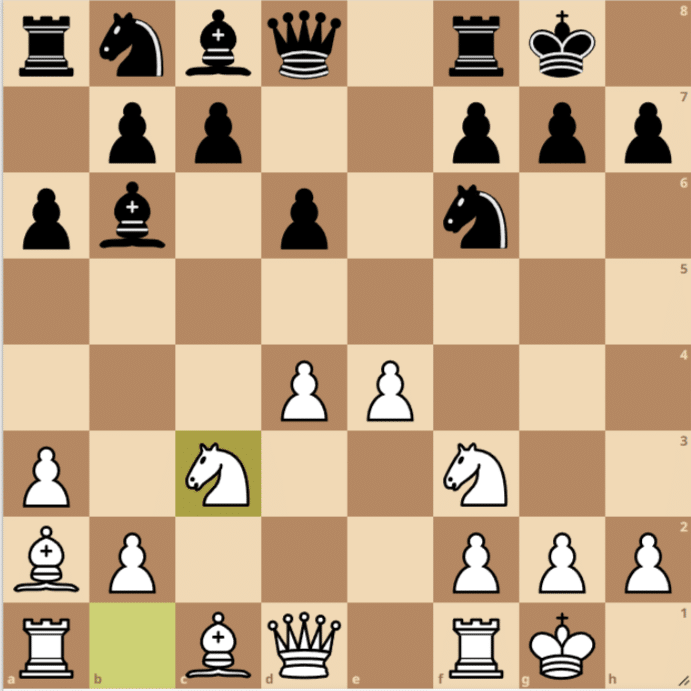
Let’s train it. In this position you play White. Apply the first question — is there checkmate? — and find it.
You play White. Before anything else, look for checkmate. Hint: your pawns box the black king into the back rank.
Did you see it? The rook enters the eighth rank and the black king has no escape: its own pawns block the way out. That’s the famous back-rank mate. If you’d moved “just to move,” you would have missed it.
Second, the opponent’s question
Here’s the idea that will most improve your game, and almost no one uses it starting out. Before playing your move, put yourself in your opponent’s shoes:
If I were my opponent, what would I play now? What do they want to do?
This is called thinking prophylactically (anticipating their plans). And from here comes a beautiful rule: a good move does two things at once. It doesn’t just improve your position; it also worsens the opponent’s: it takes away a good square, stops a plan, or leaves one of their pieces with no job.
When choosing between two similar moves, go with the one that also spoils something for the opponent. For example, an advance that takes away your opponent’s knight outpost is worth double: it helps you and ruins their best piece.
Third, improve your worst piece
Nothing forcing and the position is calm? Then it’s time to build. And the best habit is always the same one:
Which is my worst piece? Give it a job.
That piece that’s been doing nothing for several moves is your next mission. Activating it improves your whole position with no risk. I cover it in depth in piece activity, and it’s the foundation for making a plan.
And finally, the anti-blunder check
This is the step that saves you half your losses. Before releasing the piece, pause for a second and look at the board the way your opponent will see it right after your move:
- Am I giving them a check in their favor? (does it leave my king exposed?)
- Can they capture something for free? (have I hung a piece?)
- Do they have a strong threat I hadn’t seen?
They’re the same three questions from before (checks, captures, threats), but now from the opponent’s side. Three seconds of review prevent almost every hung piece.
The summary you can memorize
Before every move, in order:
- Is there mate?
- Are there checks, captures or threats? (mine)
- What does the opponent want? (and I pick the move that also bothers them)
- Which is my worst piece? (if nothing’s forcing, improve it)
- Final check: does my move hand the opponent a check, a capture or a threat?
Practice this order with puzzles and you’ll see how, game after game, you stop improvising. Thinking with a method is what separates the one who improves from the one who’s been stuck for years.
Useful links
Preguntas frecuentes
In what order should I think before moving?
First check the forcing moves, in this order: is there checkmate?, are there checks?, are there captures?, are there threats? When nothing is forcing, focus on improving your worst piece. And before releasing the piece, check that your move doesn't give anything away.
How do I stop hanging pieces?
With a final check before every move: ask yourself what checks, captures and threats the opponent will have right after your move. Most hung pieces are avoided with those three seconds of review.
What are forcing moves?
They're the ones that force the opponent to respond in a specific way: checks, captures and strong threats. You have to look at them always, yours and theirs, because they're the ones that change the game in an instant.